
Trademark Hearing
Trademark Hearing
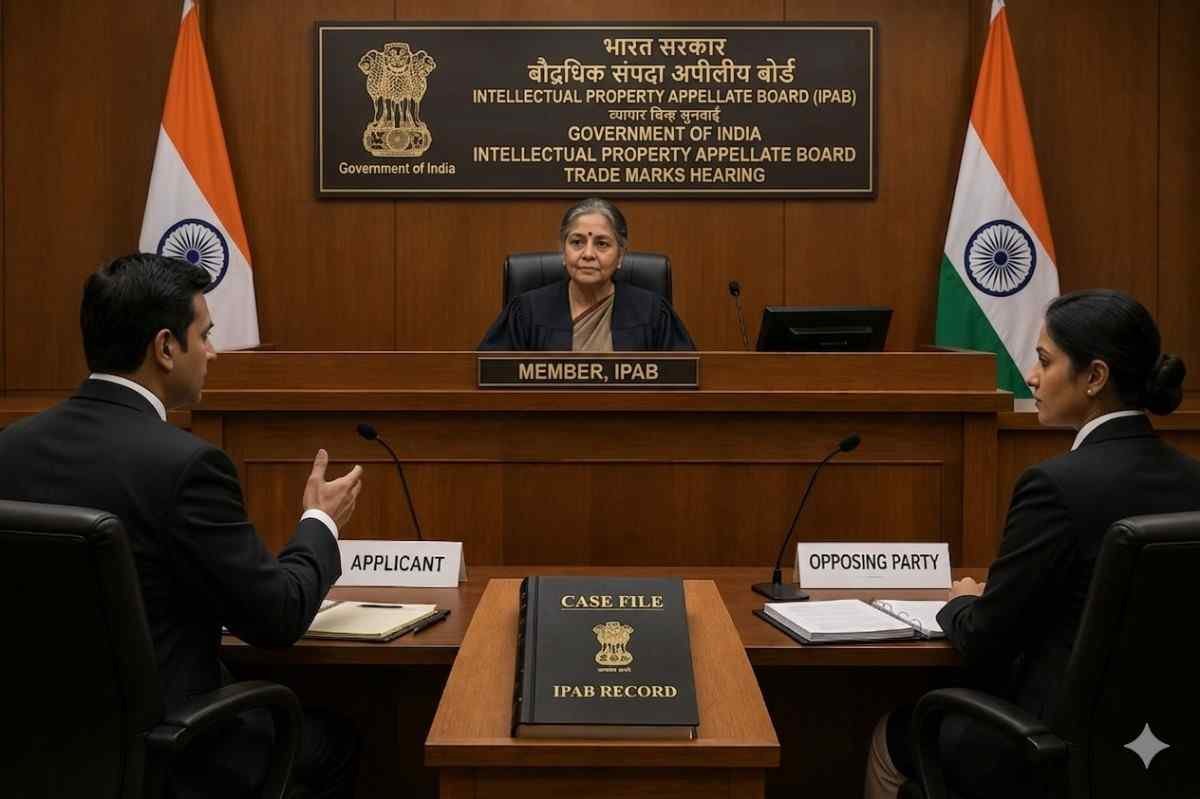
A trademark hearing is an important stage in the trademark registration process when the Trademark Registry requires additional clarification regarding an application. If the examiner is not fully satisfied with the written reply submitted against an objection, a hearing is scheduled to allow the applicant to present their case directly before the Registrar.
During the hearing, the applicant or their authorized representative explains why the trademark should be accepted for registration. Supporting documents, evidence of use, legal arguments, and relevant records may be presented to strengthen the application. A well-prepared hearing can significantly improve the chances of obtaining trademark registration and protecting your brand identity.
Professional legal representation is highly recommended because the outcome of the hearing can directly affect the future of your trademark rights.

Why Trademark Hearings Are Important
Trademark hearings provide applicants with an opportunity to defend their trademarks when objections have been raised by the Trademark Registry.
These hearings help:
- Clarify concerns raised by the Trademark Examiner.
- Present additional evidence supporting the trademark application.
- Demonstrate genuine use of the trademark in business activities.
- Protect brand ownership and intellectual property rights.
- Resolve disputes related to trademark registration.
Failure to attend or properly respond to a trademark hearing may result in rejection of the application, leading to delays and additional costs for the applicant
Trademark Registry Jurisdiction in India
Trademark applications and hearings are handled through different regional offices across India. Jurisdiction is generally determined based on the applicant's principal place of business.
Chennai Trademark Registry
Covers:
Tamil Nadu
Karnataka
Kerala
Telangana
Andhra Pradesh
Puducherry
Lakshadweep
Mumbai Trademark Registry
Covers:
Maharashtra
Goa
Madhya Pradesh
Chhattisgarh
New Delhi Trademark Registry
Covers:
Delhi
Uttar Pradesh
Haryana
Punjab
Himachal Pradesh
Jammu and Kashmir
Uttarakhand
Chandigarh
Ahmedabad Trademark Registry
Covers:
Gujarat
Rajasthan
Dadra and Nagar Haveli
Daman and Diu
Kolkata Trademark Registry
Covers:
West Bengal
Bihar
Jharkhand
Odisha
Assam
Arunachal Pradesh
Meghalaya
Manipur
Mizoram
Nagaland
Tripura
Sikkim
Andaman and Nicobar Islands
Trademark Hearing Adjournment
In certain situations, applicants may request a postponement of a trademark hearing. Such requests must be made within the prescribed timeline and supported by valid reasons.
The Trademark Registry may allow adjournments when:
The applicant is unable to attend due to unavoidable circumstances.
Additional time is required to prepare supporting evidence.
The authorized representative is unavailable.
Repeated absence without proper communication may lead to rejection of the trademark application.
Documents Required for Trademark Hearing
To prepare a strong defense during a trademark hearing, the following documents are generally required:
Power of Attorney
A signed authorization allowing a trademark attorney or representative to appear before the Trademark Registry on behalf of the applicant.
Authorization Letter
A formal letter granting permission to a professional representative to handle hearing-related matters.
Proof of Trademark Usage
Documents demonstrating actual use of the trademark, including:
Invoices
Product packaging
Business brochures
Marketing materials
Website screenshots
Social media promotions
Customer communications
Supporting Evidence
Additional records may be required depending on the objections raised by the Trademark Examiner.
Trademark Hearing Process
1. Examination of Application
After the trademark application is filed, the Trademark Registry examines the application to identify any legal or procedural issues.
2. Issuance of Examination Report
If objections are found, an examination report is issued outlining the concerns that need to be addressed.
3. Submission of Reply
The applicant must submit a detailed response explaining why the trademark should be accepted despite the objections.
4. Hearing Notice Issued
If the examiner remains unconvinced by the written reply, a hearing notice is issued specifying the hearing date and time.
5. Preparation of Evidence
The applicant prepares supporting documents, legal arguments, and proof of trademark use to strengthen the case.
6. Appearance Before the Registrar
The applicant or authorized representative appears before the hearing officer and presents arguments in favor of registration.
7. Final Decision
After reviewing all submissions and arguments, the Registrar may:
Accept the trademark application.
Request additional information.
Reject the application if objections remain unresolved.
Upon approval, the trademark proceeds toward registration and publication.
How TaxAbide Helps with Trademark Hearings
TaxAbide provides end-to-end support for trademark hearing matters across India. Our experienced legal professionals assist businesses, startups, entrepreneurs, and brand owners in handling trademark objections and hearing proceedings efficiently.
Our services include:
Reviewing examination reports.
Drafting professional hearing submissions.
Preparing supporting documents and evidence.
Filing required applications with the Trademark Registry.
Representing clients during trademark hearings.
Providing legal guidance throughout the process.
We understand that trademark objections can be challenging and time-sensitive. Our experts work closely with clients to build strong responses and improve the likelihood of successful trademark registration.
Whether you have received a hearing notice or need assistance preparing for an upcoming hearing, TaxAbide is ready to help protect your brand and intellectual property rights with reliable and professional support.