
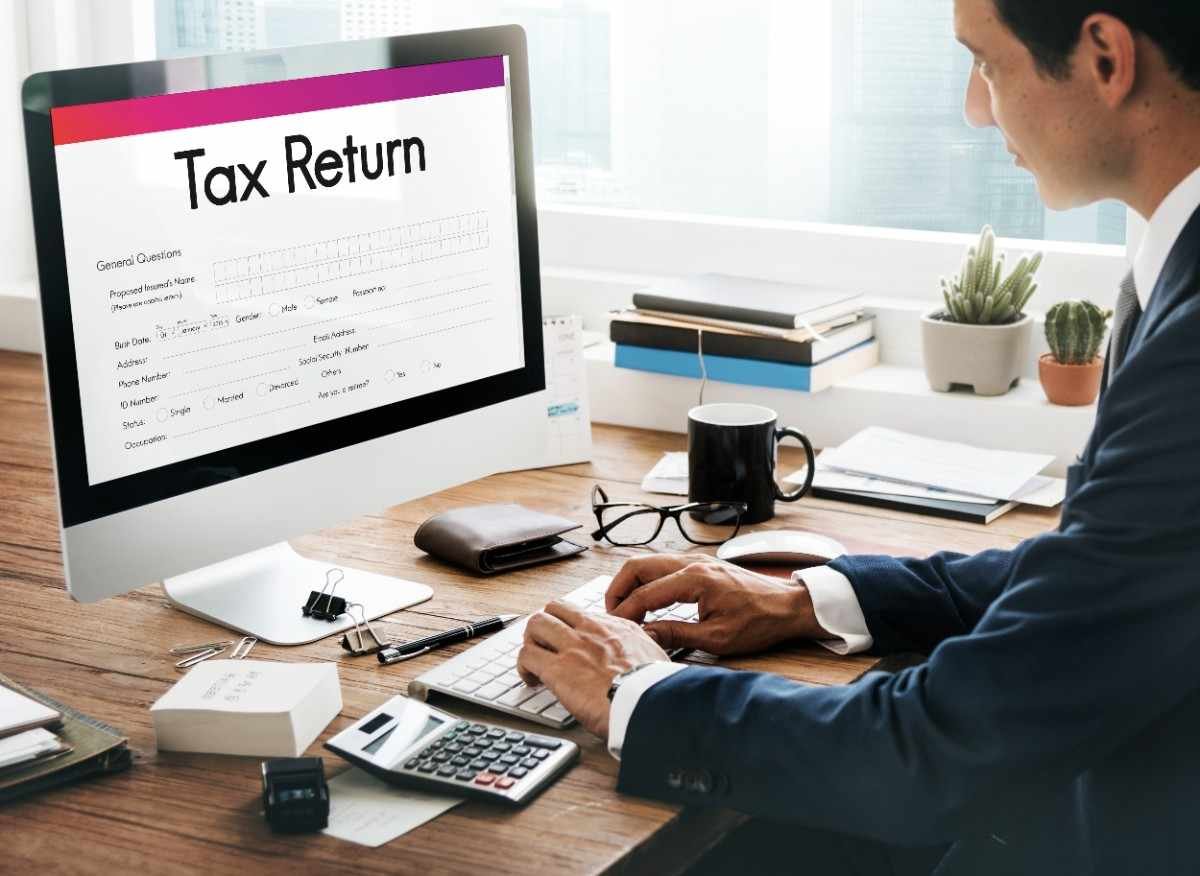
ITR-1 Return
ITR-1 Return
ITR-1 - For Salary, IFOS, 1 HP Income (All Income < 50L)
ITR stands for Income Tax Return. It is a form or document that individuals, businesses, and other entities use to report their income, deductions, and tax liability to the tax authorities.
The Income Tax Return provides a detailed account of the taxpayer's income from various sources, such as salary, business or profession, capital gains, house property, and other applicable categories. It also allows taxpayers to claim deductions and exemptions available under the Income Tax Act, reducing their taxable income and overall tax liability.
Filing an Income Tax Return is a legal requirement in many countries, including India, where taxpayers are obligated to report their income and pay the appropriate amount of tax to the government. By filing an accurate and timely ITR, taxpayers ensure compliance with tax laws and contribute to the effective functioning of the tax system.
The specific ITR form to be used depends on the nature of the taxpayer's income, the category of taxpayer (individual, company, partnership, etc.), and other relevant factors. Different ITR forms cater to different types of taxpayers and income sources, ensuring the accurate reporting of income and facilitating proper assessment and collection of taxes.
Excess TDS Claim
VISA Application
Establishing Losses
A Reliable Proof of Address
Authentic Evidence of Your Earnings
For Purchasing High Coverage Insurance
A Crucial Document for Loan Application
Scholarship Advantages

Major changes in the ITR-1 in 20-21
Individual taxpayers who meet the criteria of-
- Making a cash deposit of ₹1 crore at the bank
- Incurring an expense of ₹2 lakhs or above on foreign travel
- Expenses of ₹1 lakh or above
Such individuals should file ITR-1. The taxpayer also needs to indicate the amount of deposit or expenditure.
The individuals who have income from salaries, one house property, or other income totaling to ₹50 lakhs are to file the way they used to in the past.
Resident individuals who own a single property in joint ownership can also file the ITR-1 Sahaj if the total income amounts to ₹50 lakhs.
Taxpayers need to separately disclose their amount of the investment or deposit or payment towards tax savings made from 1st April to 30th June.
The ITR-1 Sahaj, as it is named, implies it has been made easy to be filed so the filing of taxes can become easier for salary earners. With this form, they can file their taxes at the comfort of their homes and officess without assistance saving them from compliance charges.
What are the documents needed to file ITR?
Documents which you need to file the ITR-1 form are:
Form 16: Issued by all your employers for the given financial year
Form 26AS: Remember to verify that the TDS mentioned in Form 16 matches the TDS in Part A of your Form 26AS
Receipts: If you have not been able to submit proof of certain exemptions or deductions (such as HRA allowance or Section 80C or 80D deductions) to your employer on time, keep these receipts handy to claim them on your income tax return directly.
PAN card
Bank investment certificates: Interest from bank account details – bank passbook or FD certificate
Who can file itr-1
Individual taxpayers who meet certain criteria can file their Income Tax Return (ITR) using Form ITR-1 in India. Form ITR-1, also known as Sahaj, is the simplest form for filing income tax returns. It is applicable for individuals who have the following income sources:
Income from salary or pension
Income from one house property (excluding cases where losses are brought forward from previous years)
Income from other sources (excluding winnings from lottery and racehorses)
Additionally, the following conditions must be met to be eligible to file ITR-1:
Total income for the financial year is up to ₹50 lakhs.
The individual is a resident of India.
The individual is not a director in a company or has invested in unlisted equity shares.
The individual has not earned income from business or profession.
The individual has not received income from more than one house property.
The individual has not incurred any capital gains from the sale of assets.
The individual has not received any income under the head "Income from Other Sources" exceeding ₹50,000.
The individual has not claimed any deductions under section 10AA, 80G, 80GGA, 80GGB, 80GGC, and 80QQB.
An individual with an income above Rs 50 lakh.
An individual with an income above Rs 50 lakh.
An individual who is either a director of a company or has held any unlisted equity shares at any time during the financial year.
Residents not ordinarily resident (RNOR) and non-residents.
Individuals who have earned income through the following means:
More than one house property
Lottery, racehorses, legal gambling, etc.
Taxable capital gains (short-term and long-term)
Agricultural income exceeding Rs 5,000
Business and profession
A resident that has assets (including financial interest in any entity) outside India or is a signing authority in any account located outside India
Individuals claiming relief of foreign tax paid or double taxation relief under section 90/90A/91
Deferred income tax on ESOP received from an eligible start-up
Benefits
Compliance with the law
Claiming tax refunds Carry forward of losses
Financial documentation Loan applications:
Visa applications and immigration Government schemes and benefits
Avoiding penalties and scrutiny
Claiming deductions and exemptions
Free Consultation
What is the due date to file ITR1?
For the financial year, the due date for filing the ITR–1 is 31st July 2023. However, the last date for income tax return filing for taxpayers whose accounts are subject to audit is 31st Oct 2023.
If the total income of any person before allowing deductions under Chapter VI-A exceeds the maximum amount which is not chargeable to income tax then filing income tax return is mandatory.
As per current income tax slab the maximum amount not chargeable to tax is
| Category | Amount Exempt |
|---|---|
| Individuals aged below 60 years | Rs 2,50,000 |
| Individuals aged 60 & above but below 80 years | Rs 3,00,000 |
| Individuals aged 80 & above | Rs 5,00,000 |
Let’s understand with an example :
| Particulars | Amount |
|---|---|
| Gross Total Income | Rs. 3,00,000 |
| Deduction under chapter VI-A | Rs. 55,000 |
| Total Income/Taxable Income | Rs. 2,45,000 |
In the above example, say assessee is below 60 years of age. Then, he is required to file ITR since total income before allowing deduction exceeds the maximum amount which is not chargeable to income tax.
PENALTIES FOR NOT FILLING ITR ON TIME IN INDIA
If a taxpayer fails to file their Income Tax Return (ITR) by the due date, they may be liable to pay penalties and interest. The penalties for non-filing or late-filing of ITR in India are as follows:
- Late filing fee: If a taxpayer fails to file their ITR by the due date, they may be liable to pay a late filing fee of up to Rs. 10,000, depending on the delay in filing. The late filing fee for belated ITR, i.e., ITR filed after the due date but before December 31st of the relevant assessment year, is Rs. 5,000. For returns filed after December 31st, the late filing fee increases to Rs. 10,000.
- Interest on tax liability: If a taxpayer has any outstanding tax liability, interest will be charged on the amount due from the due date of filing until the date of payment. The interest rate is currently 1% per month, calculated from the due date of filing until the date of payment.
- Loss of certain benefits: If a taxpayer files a belated return, they may lose certain benefits, such as the right to carry forward losses, etc. And in case of failure to file ITR at all, they will not be able to claim TDS refunds, if any.
- Prosecution: In case of a willful failure to file ITR, the taxpayer may be subject to prosecution under Section 276CC of the Income Tax Act, which can result in imprisonment and/or fine.